profile
HAKAM BLOGGER
|
|

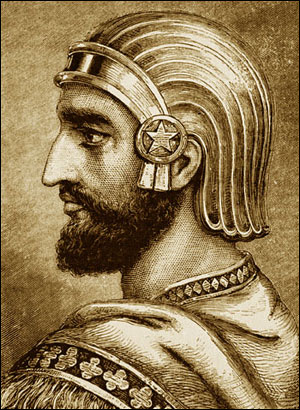
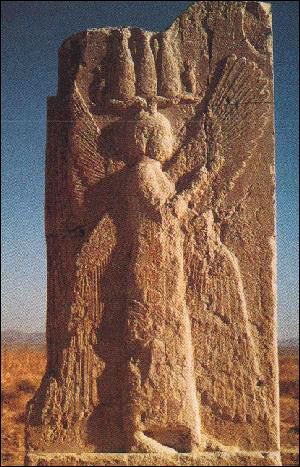
Tuesday, 12 April 2016 * 0 comment(s) Cyrus The Great Cyrus II, Kourosh in Persian, Kouros in Greek
Upon his victory over the Medes, he founded a government for his new kingdom, incorporating both Median and Persian nobles as civilian officials. The conquest of Asia Minor completed, he led his armies to the eastern frontiers. Hyrcania and Parthia were already part of the Median Kingdom. Further east, he conquered Drangiana, Arachosia, Margiana and Bactria. After crossing the Oxus, he reached the Jaxartes, where he built fortified towns with the object of defending the farthest frontier of his kingdom against nomadic tribes of Central Asia. The victories to the east led him again to the west and sounded the hour for attack on Babylon and Egypt. When he conquered Babylon, he did so to cheers from the Jewish Community, who welcomed him as a liberator- he allowed the Jews to return to the promised Land. He showed great forbearance and respect towards the religious beliefs and cultural traditions of other races. These qualities earned him the respect and homage of all the people over whom he ruled.
Cyrus was upright, a great leader of men, generous and benelovent. The Hellenes, whom he conquered regarded him as 'Law-giver' and the Jews as 'the annointed of the Lord'. Prior to his death, he founded a new capital city at Pasargade in Fars. and had established a government for his Empire. He appointed a governor (satrap) to represent him in each province, however the administration, legistlation, and cultural activities of each province was the responsibility of the Satraps. Accoding to Xenophon Cyrus is also reputed to have devised the first postal system, (Achaemenide achievements). His doctrines were adopted by the future emperors of the Achaemenian dynasty. Sumber: Cyrus the Great : King of Persia is well known in the history as the first emperor that uses the law of human right in his era. The Majesty has wrote the law with his kind of idea to accept the concept of one world order, where all citizens in his majesty country will be accept as one civilization under his rules. All terrorism that have been conquered before his rules will be banned and the peace will force to rules. |